
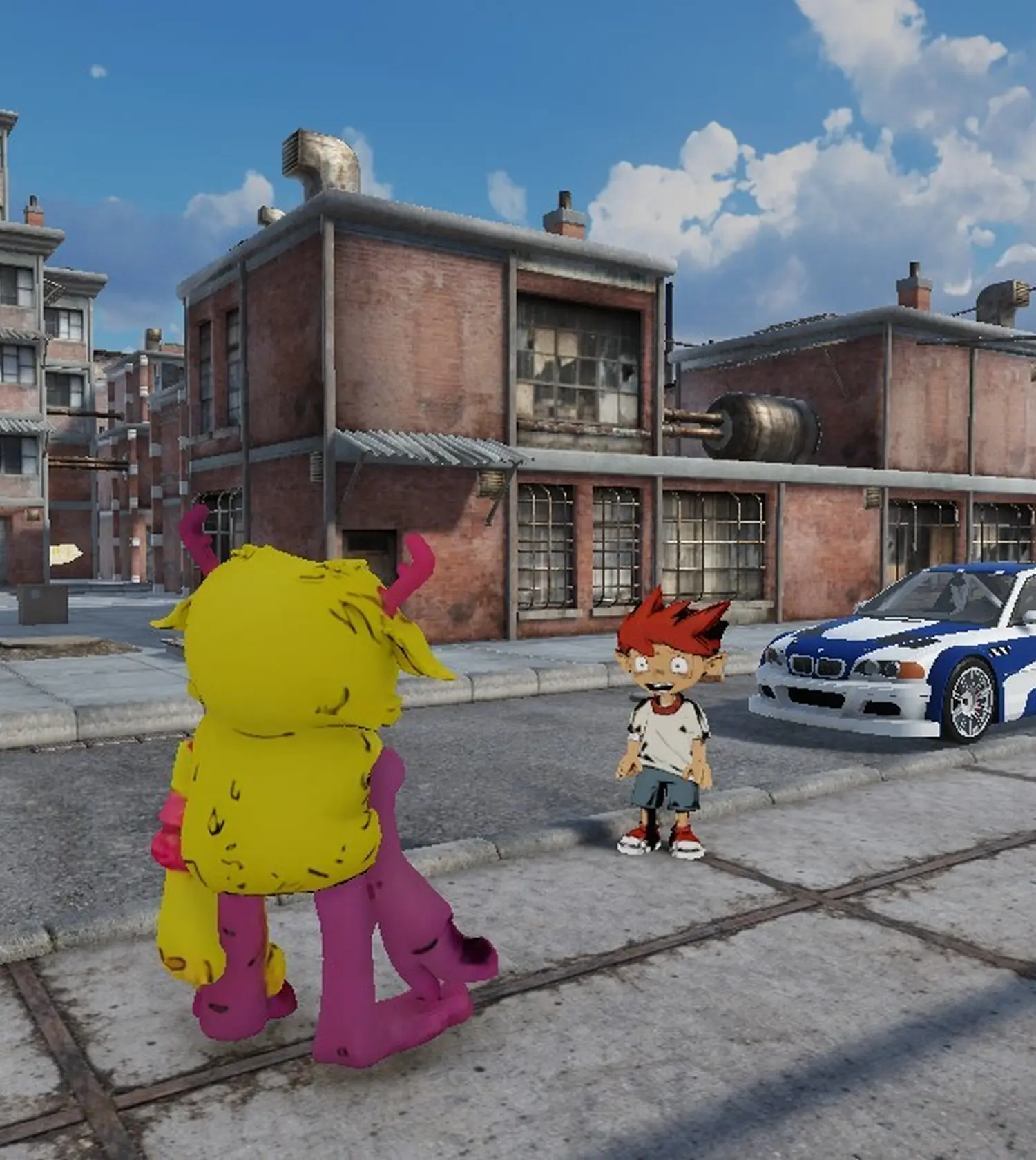

How kids and teens experience snërqq
snërqq is the Social Play app for real friend groups. Social Play means playful interaction with others: friends chat, create, share and play together in one living digital world.
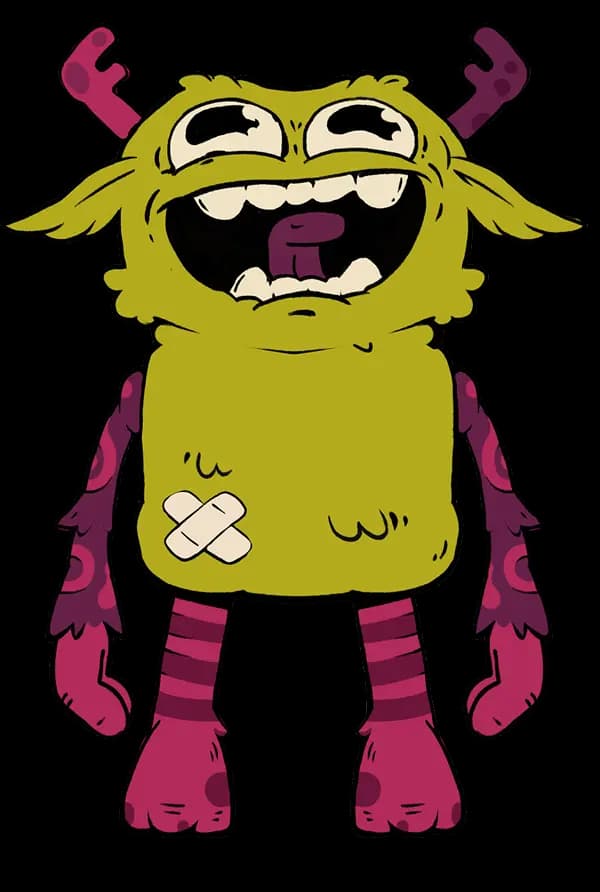
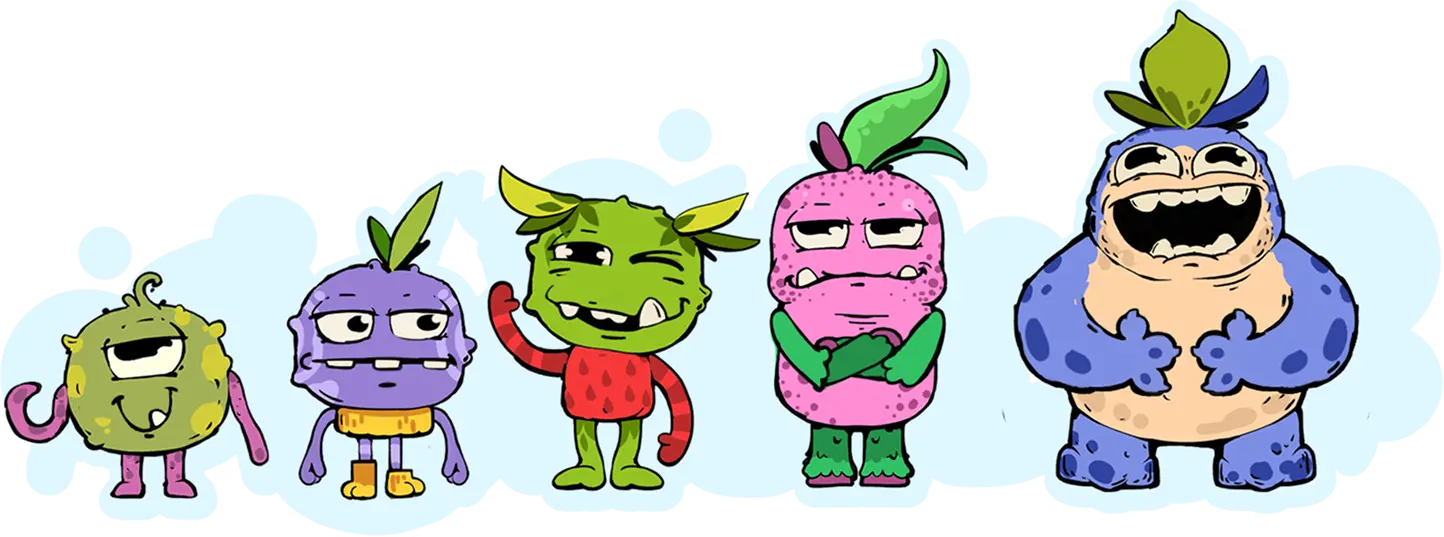
The Dings connects that world. It belongs to the friend group, stays with them throughout snërqq, responds to how they interact and becomes their player character in the Yard.
Communication, creativity and play become different parts of the same shared experience.
The Dings
The shared creature at the heart of the friend group
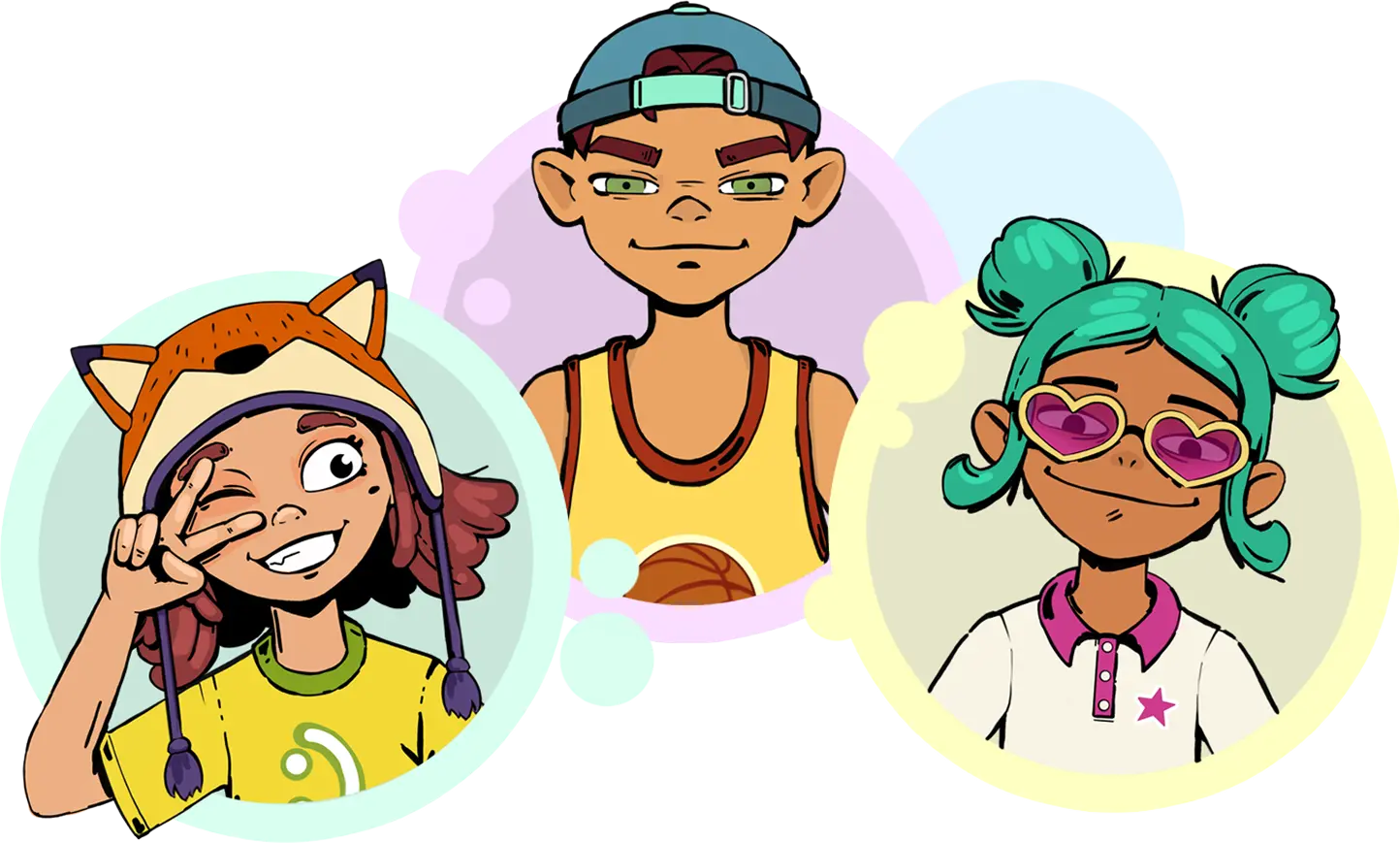
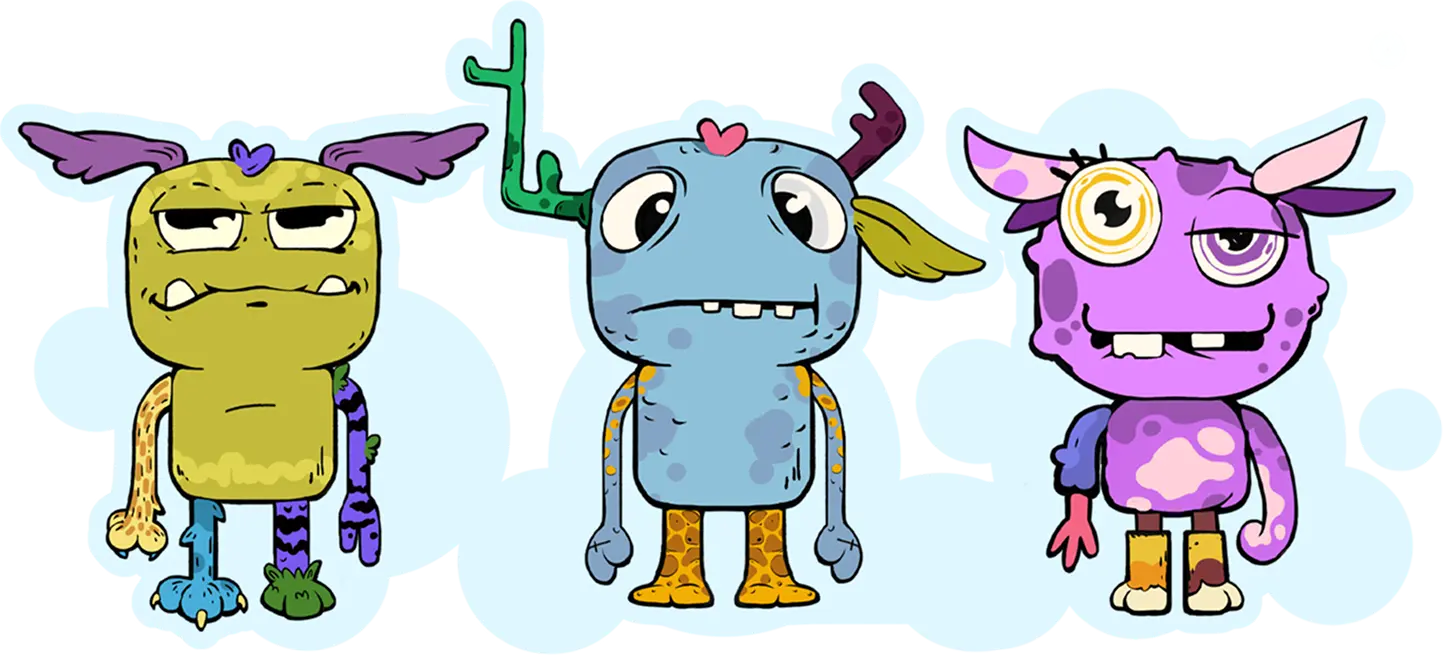
Every friend group has its own Dings. Friends shape it together, develop it through their activities and gradually turn it into something that truly belongs to their group.
The Dings connects different experiences across snërqq. It stays with the group in Chat, responds to how they interact, develops through shared activities and becomes their player character in the Yard.
Loading...
Yard Crew
A world shaped by its own characters, not influencers
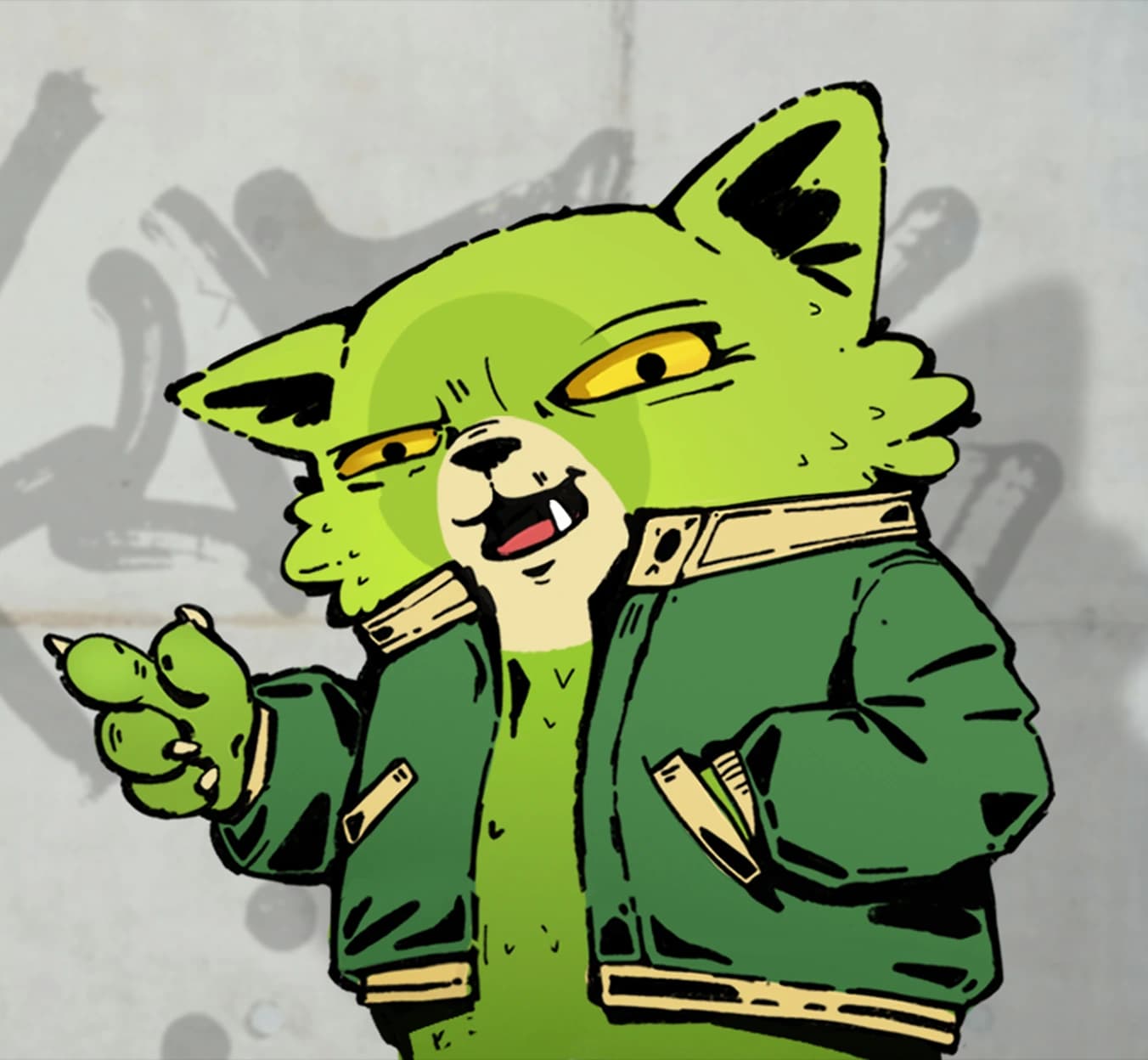
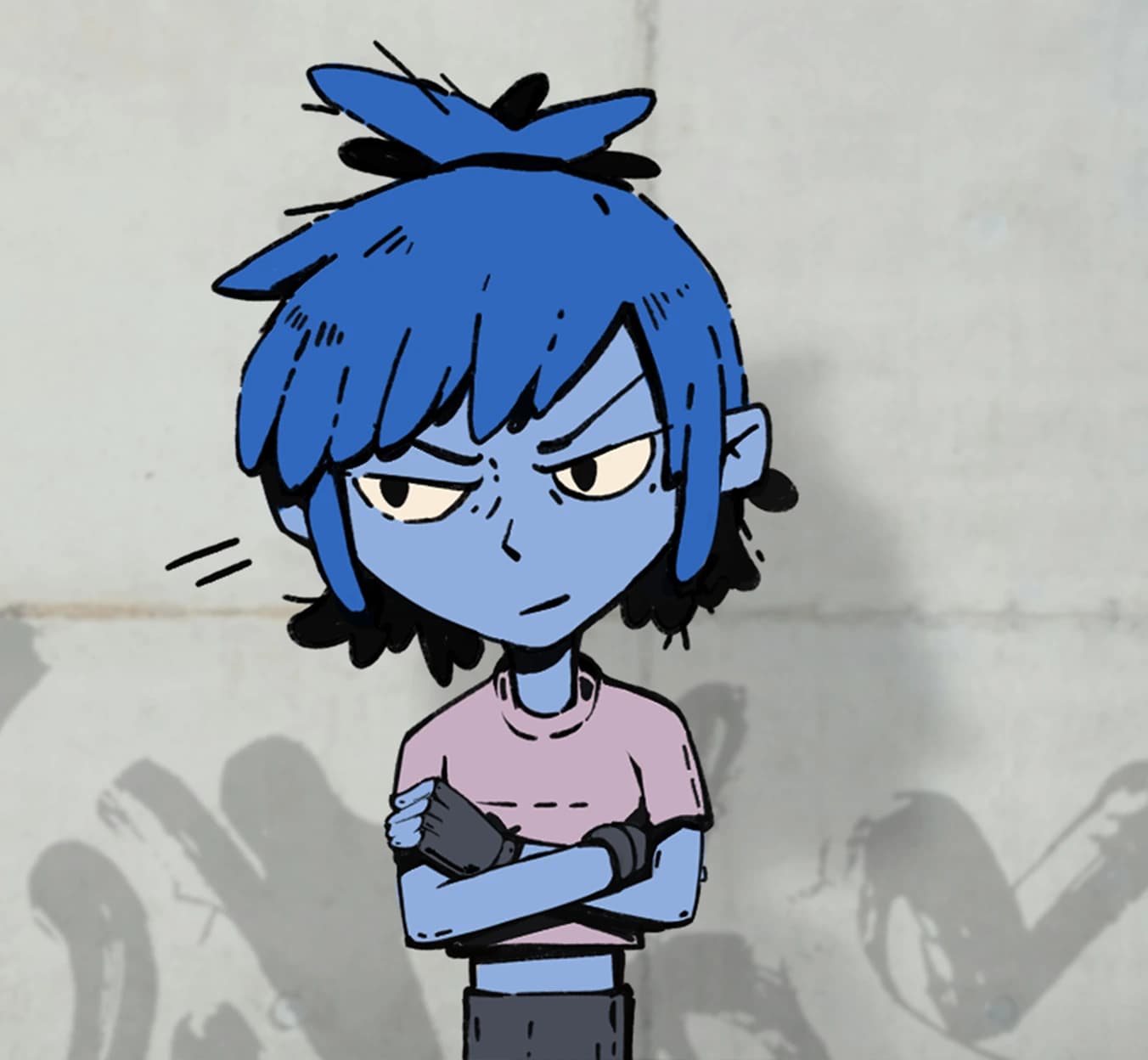
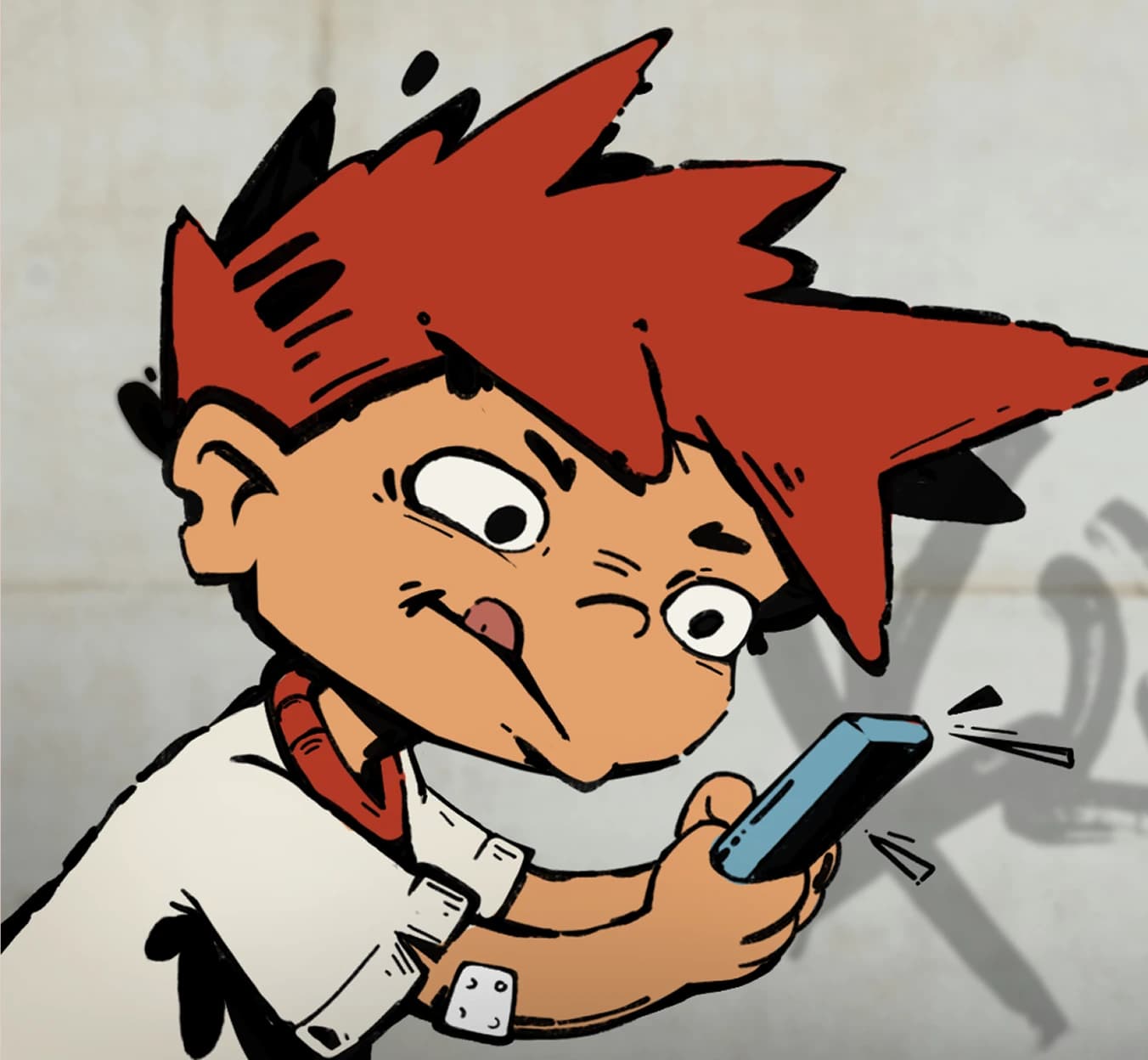
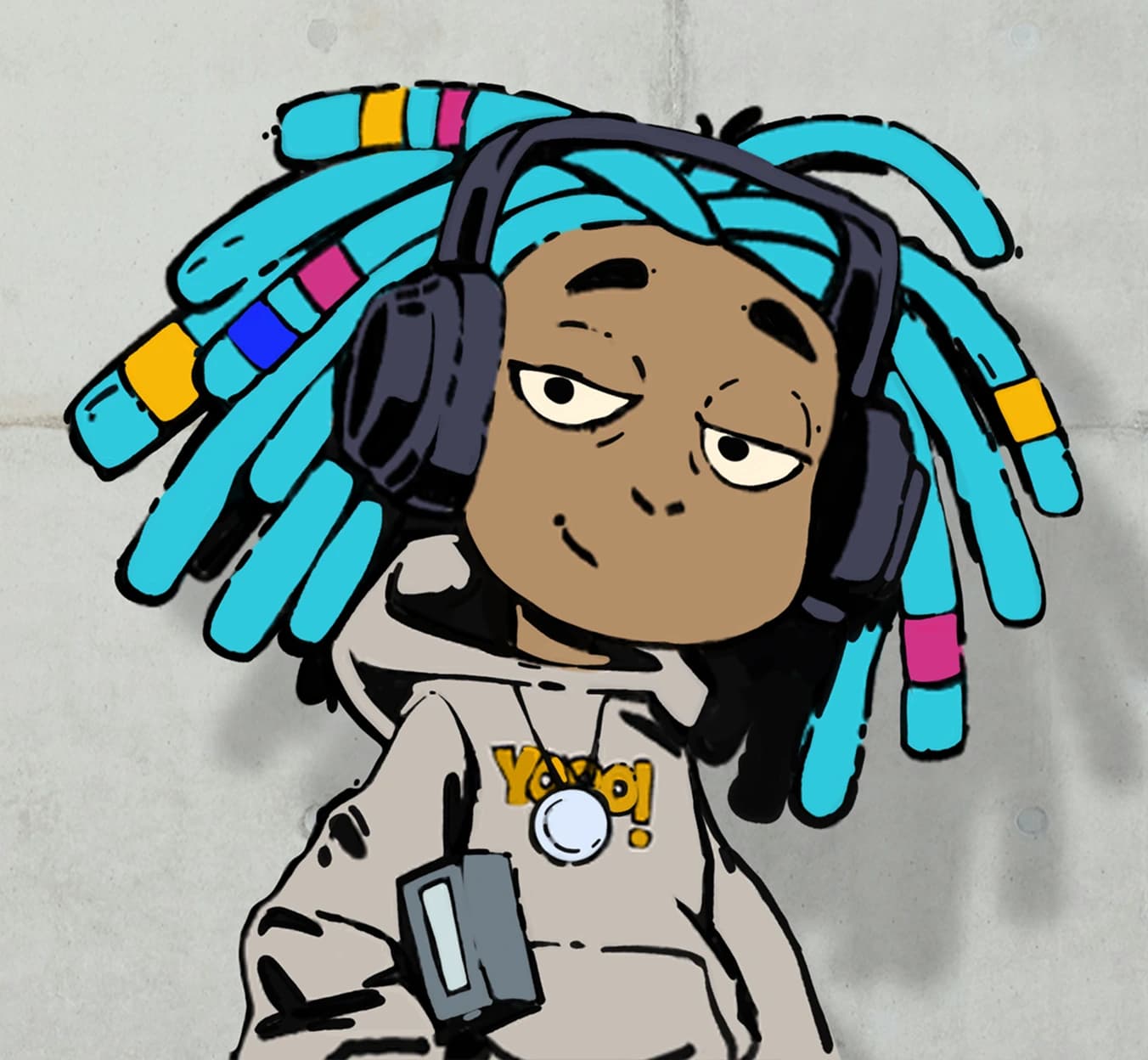
The world of snërqq is shaped by recurring characters — the Yard Crew.
They give the platform personality and recognition and make snërqq more than a communication tool. Kids and teens enter a world with its own personalities, recurring characters and shared stories.
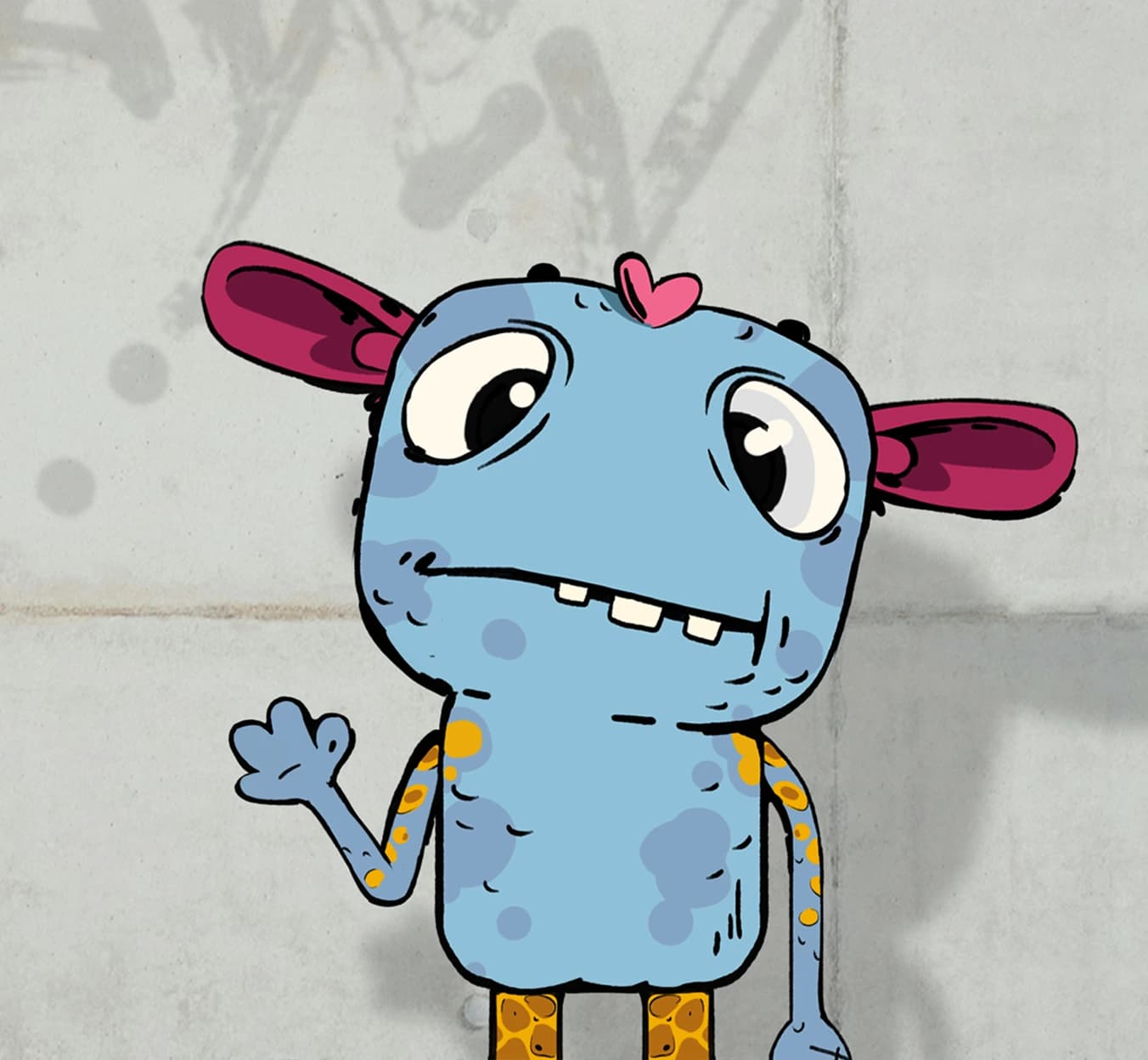
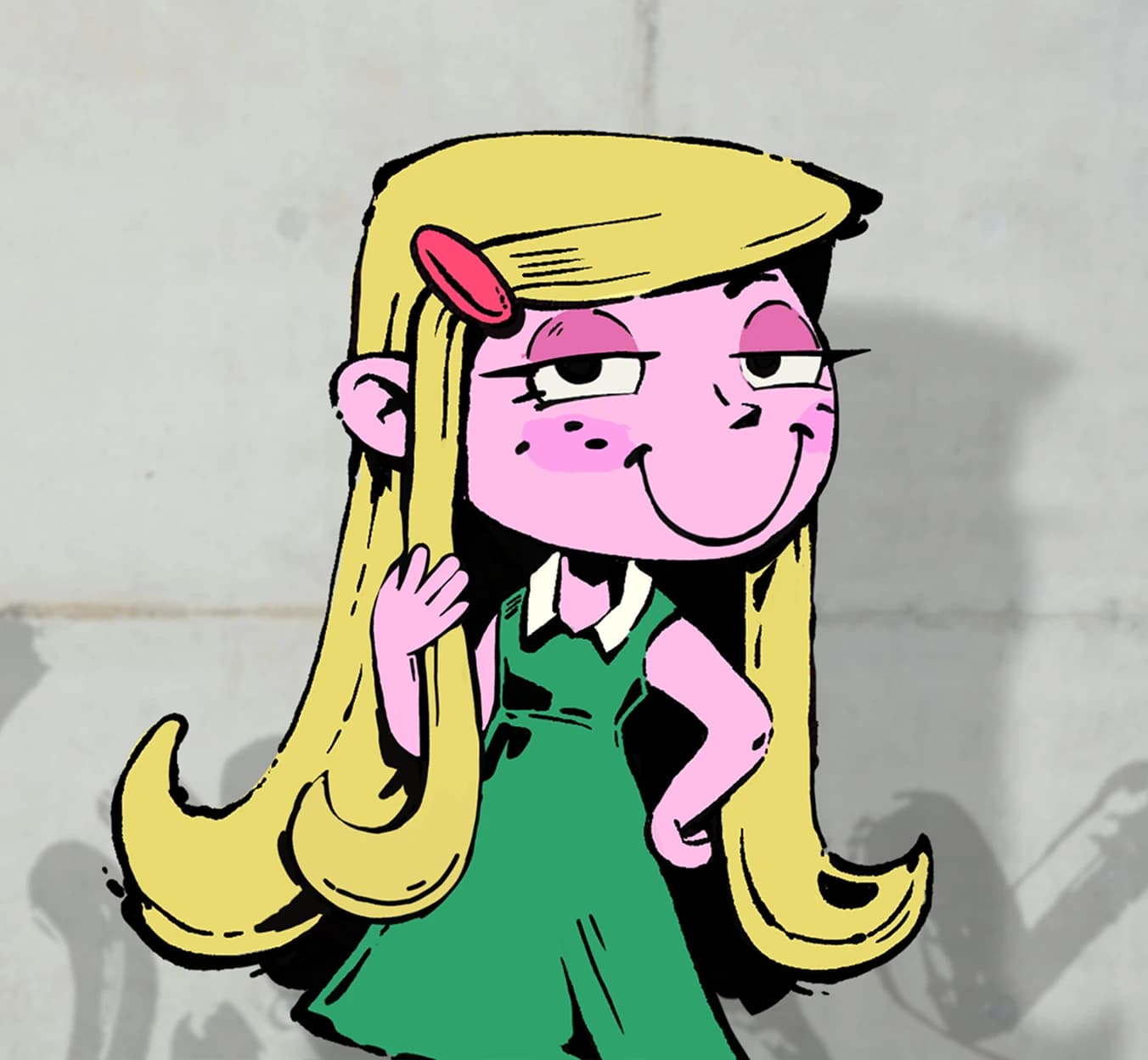
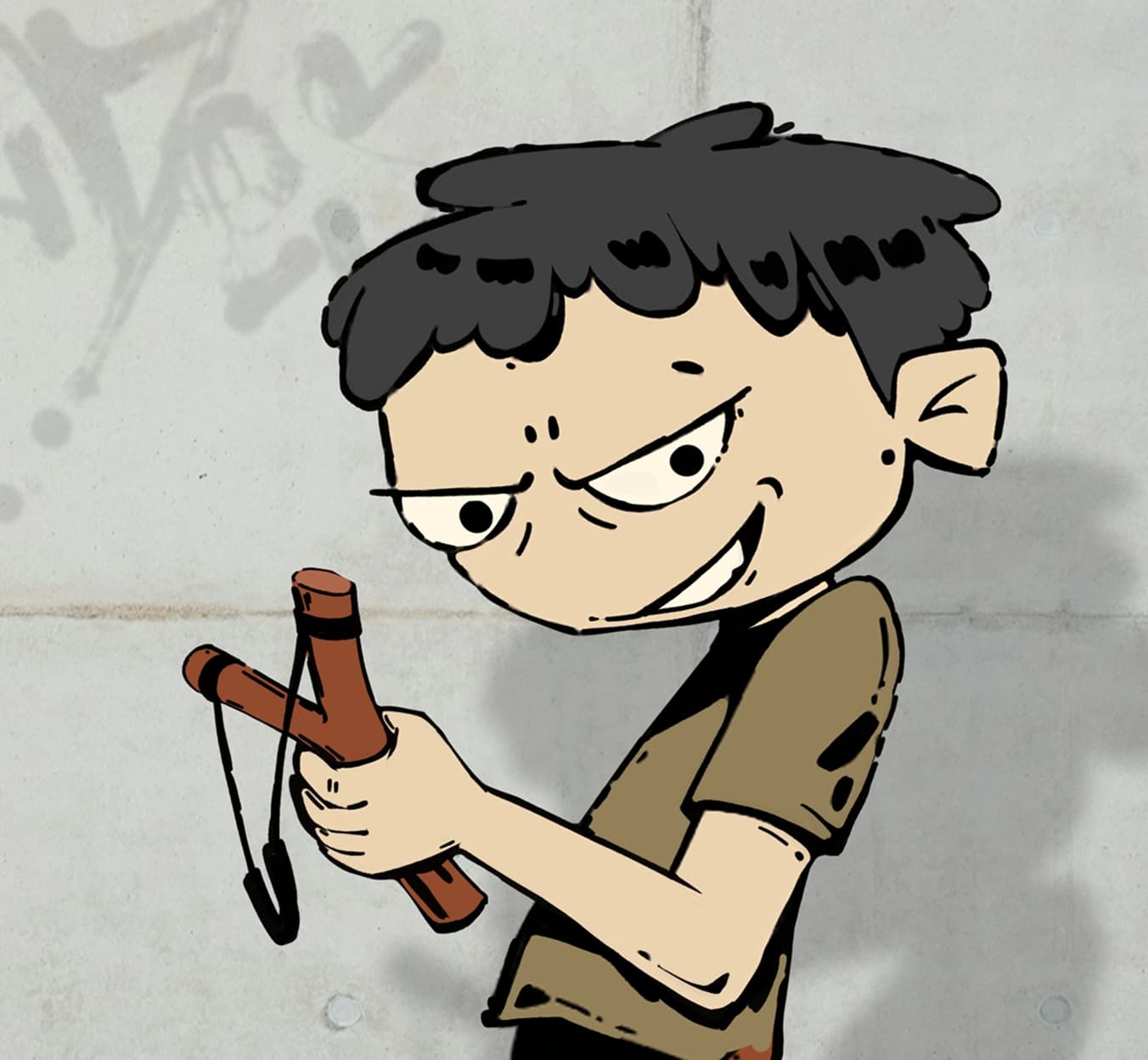
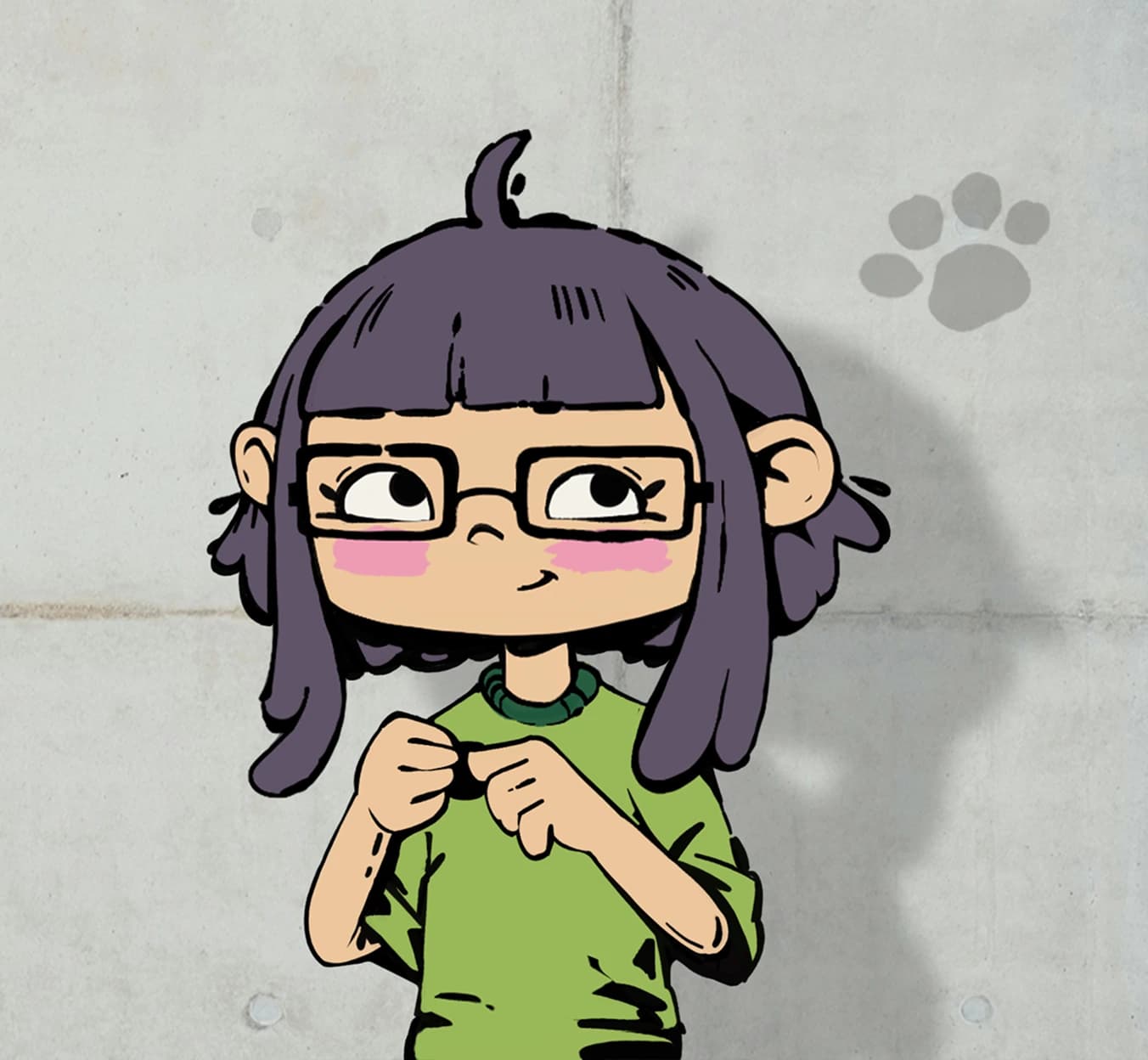
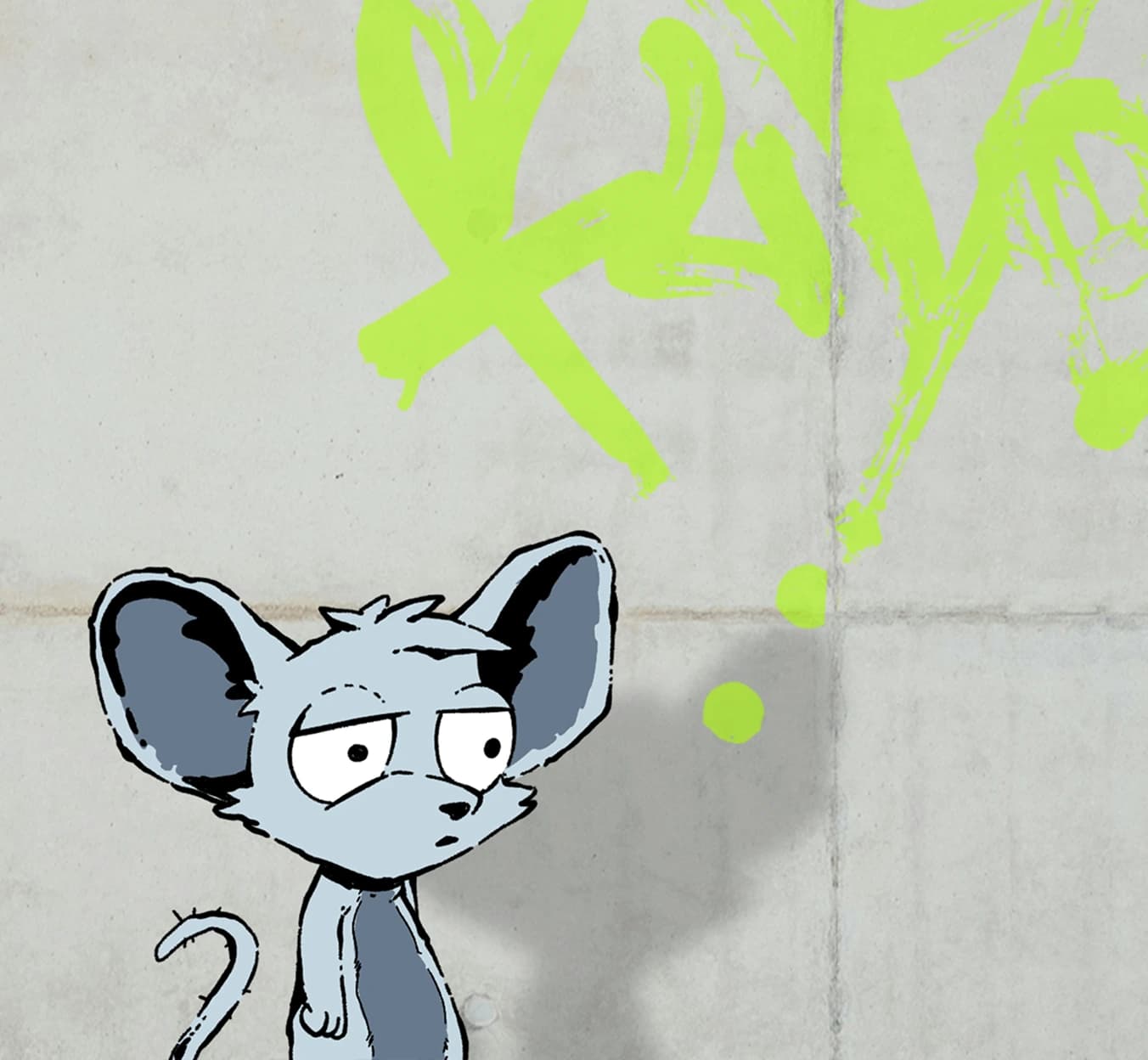
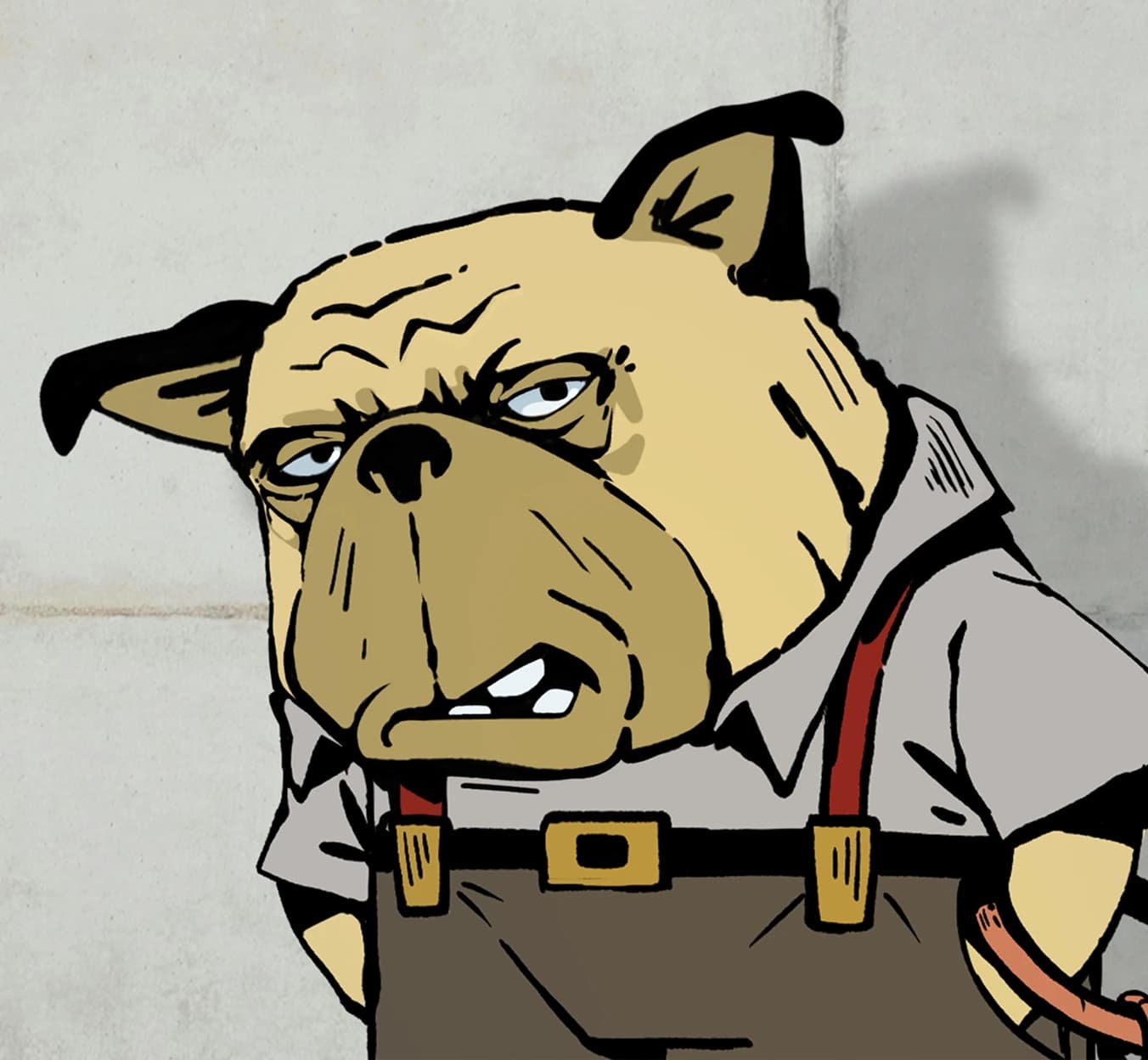
Bronsky
Role:
Yard Authority, Moderator
Layer:
Chat, Clips, Interface, Games
Function:
He teaches the Yard Code and enforces rules in a child-friendly way.
How snërqq Works
What children need to connect, play and belong
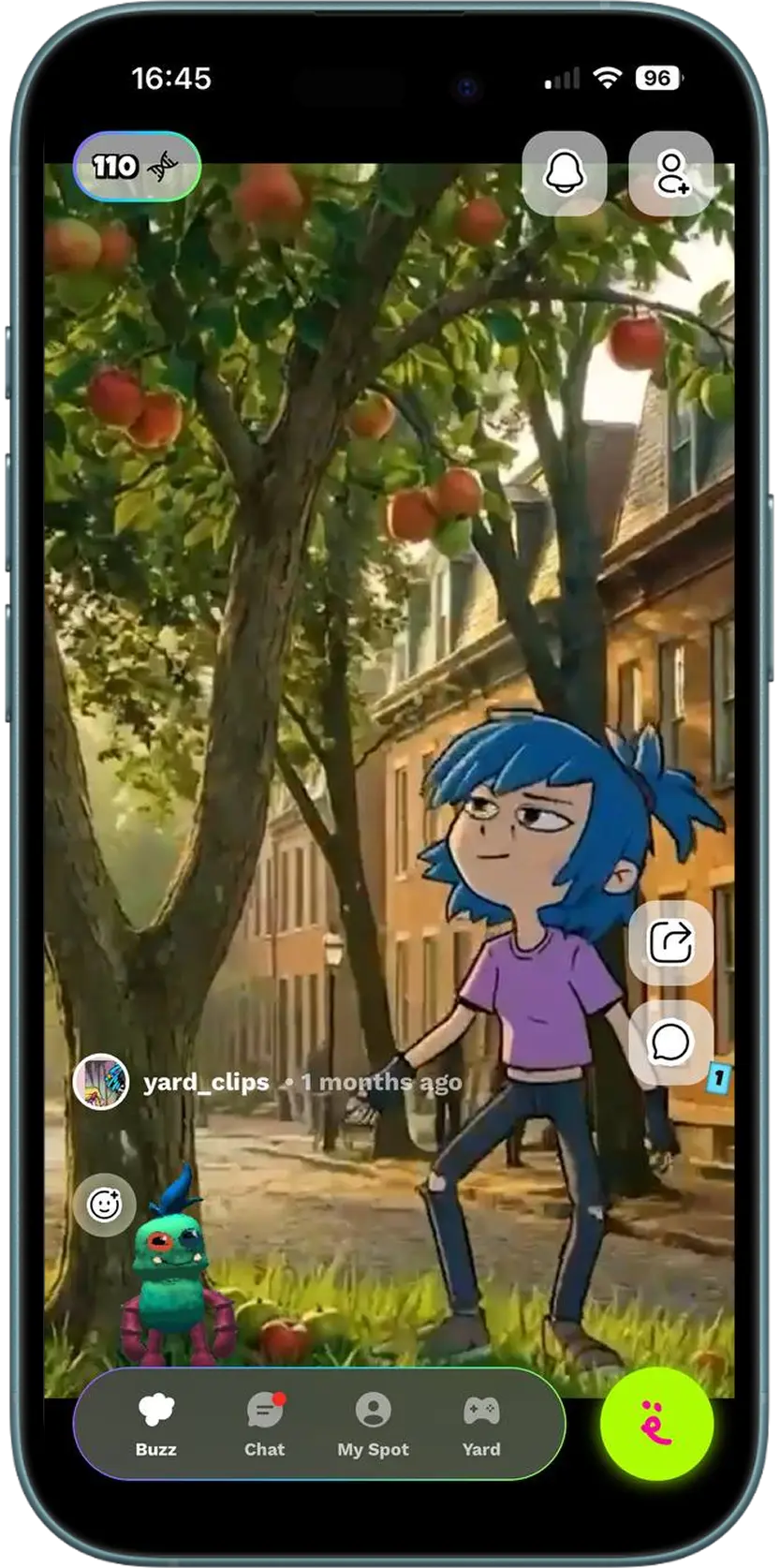
The Dings
The shared heart of every friend group.
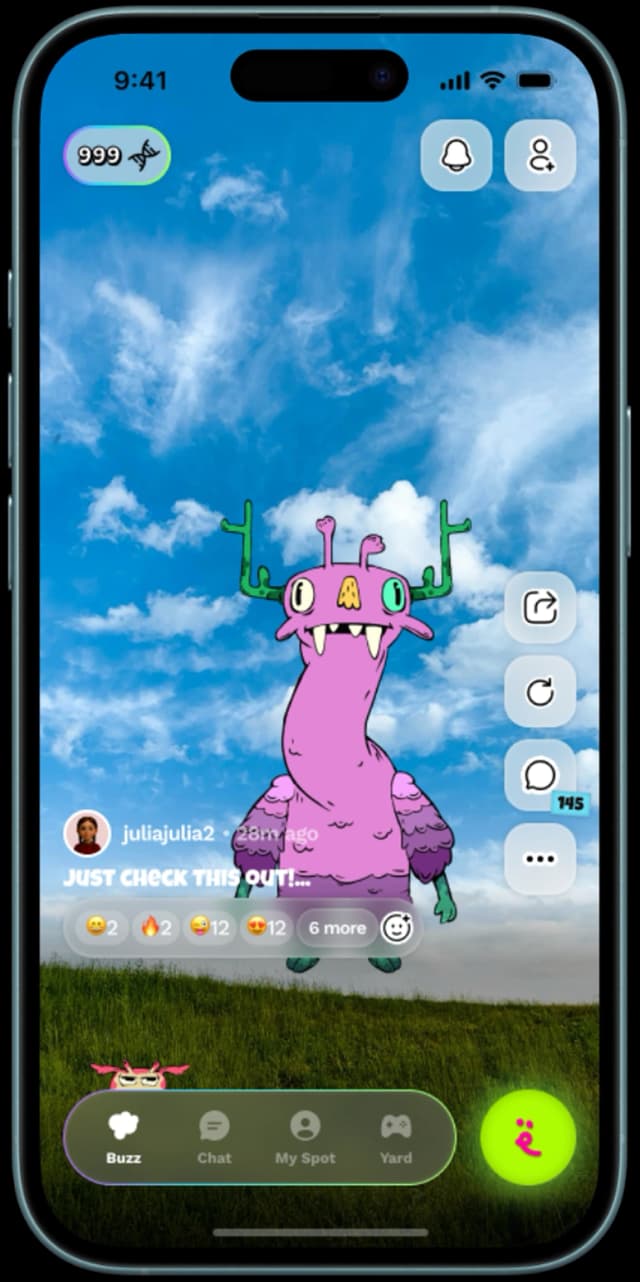
Yard
Where the shared world becomes playable
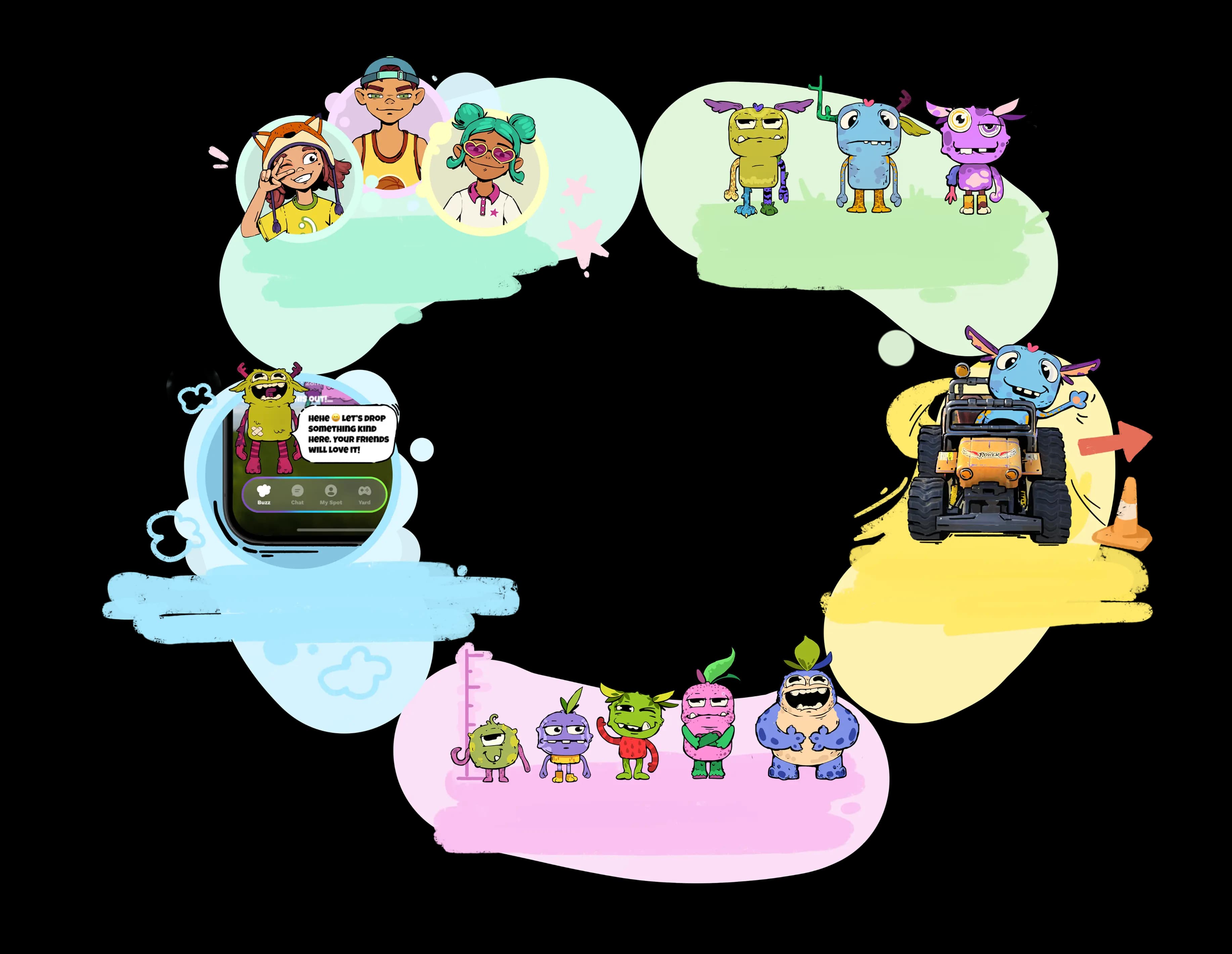
The Yard is the central place in snërqq. It is where children encounter their shared world, their group and small games and interactive experiences.
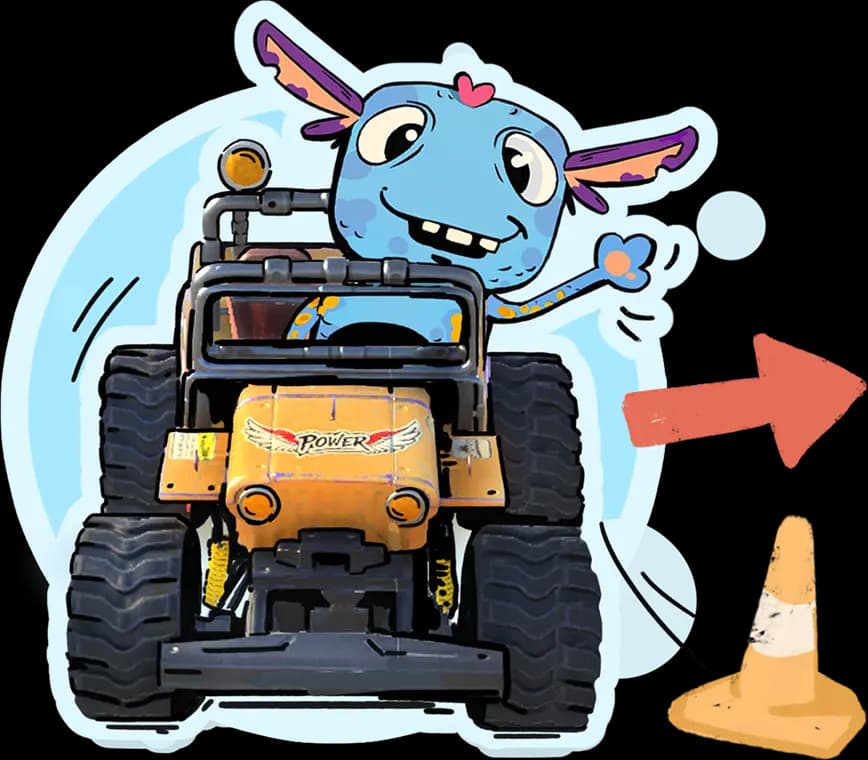
These minigames create shared moments and make play part of the group experience. They are not designed to pull children into endless competition loops, but to be part of a world where friendship, play and creativity come together.
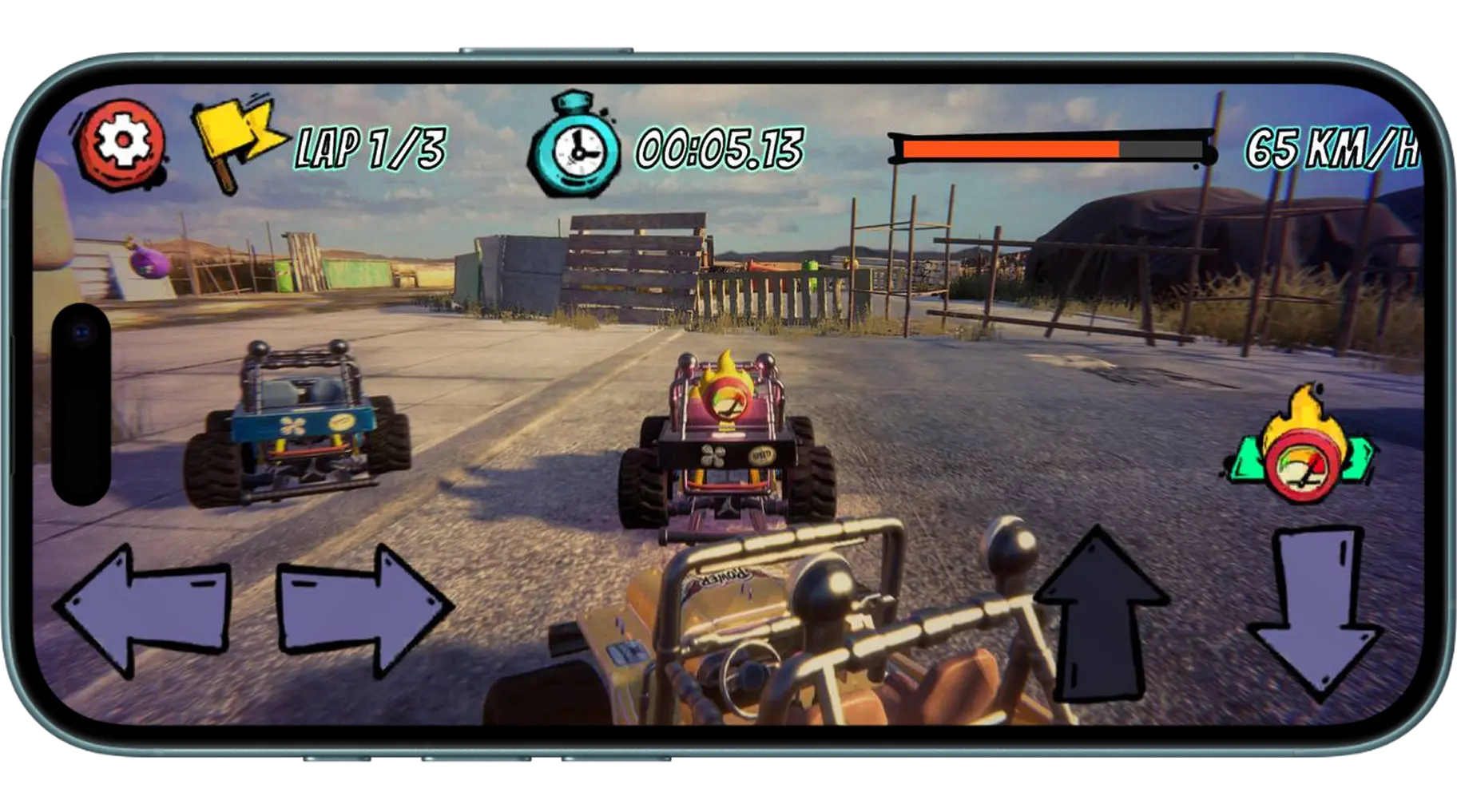
Car Race
Chat
Directly connected with real friends
Kids and teens communicate on snërqq with their friends — in group chats and one-to-one conversations.
Messages, reactions and creative contributions are part of everyday interaction within the group. The Dings is present too, connecting everyday communication with the wider snërqq world.
Chat remains direct communication between friends — while also becoming part of a larger shared experience.
The Dings is present in Chat and responds to the group. Each Dings belongs to one friend group.
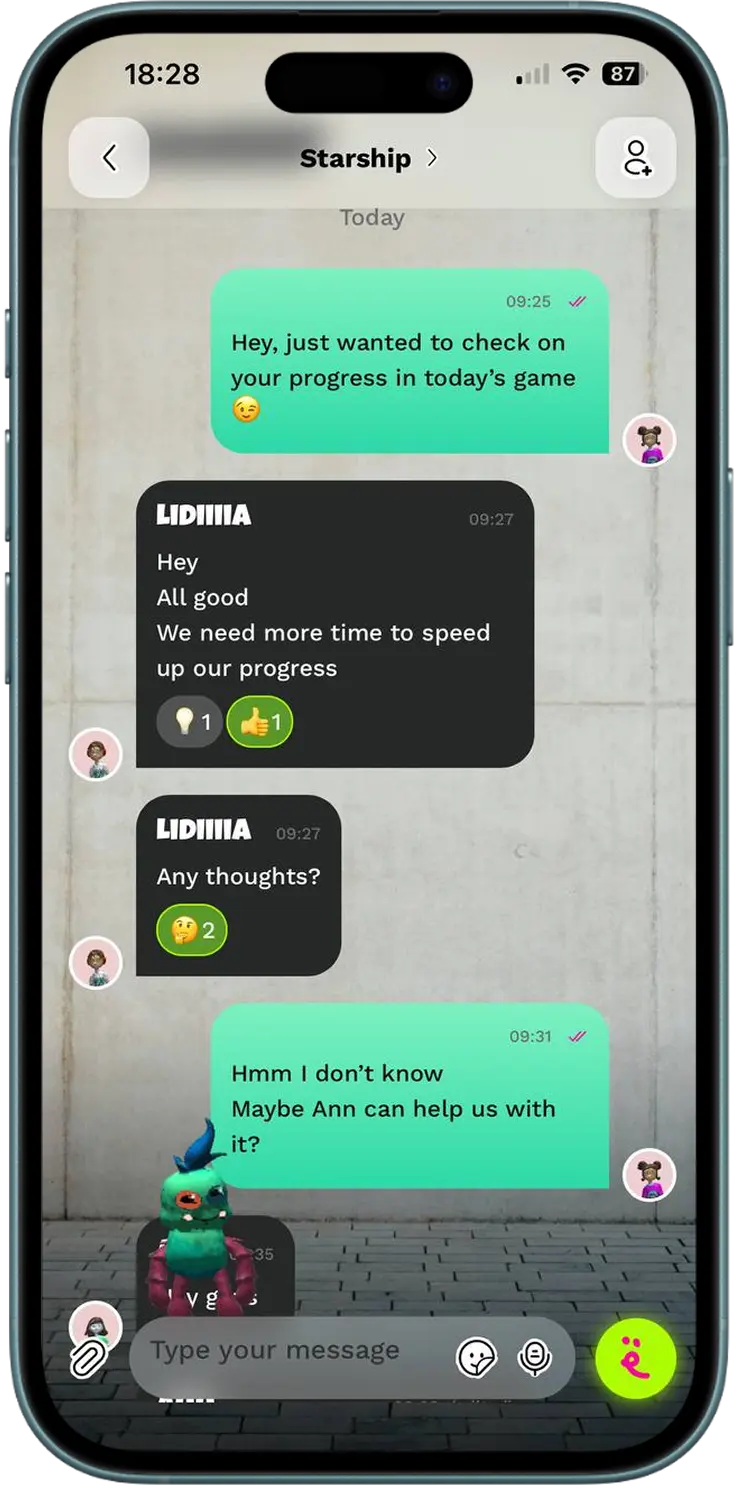
The Dings is present and reacts to the child’s or the group actions.




Each Dings represents one friend group.
MySpot
A personal space within the friend world
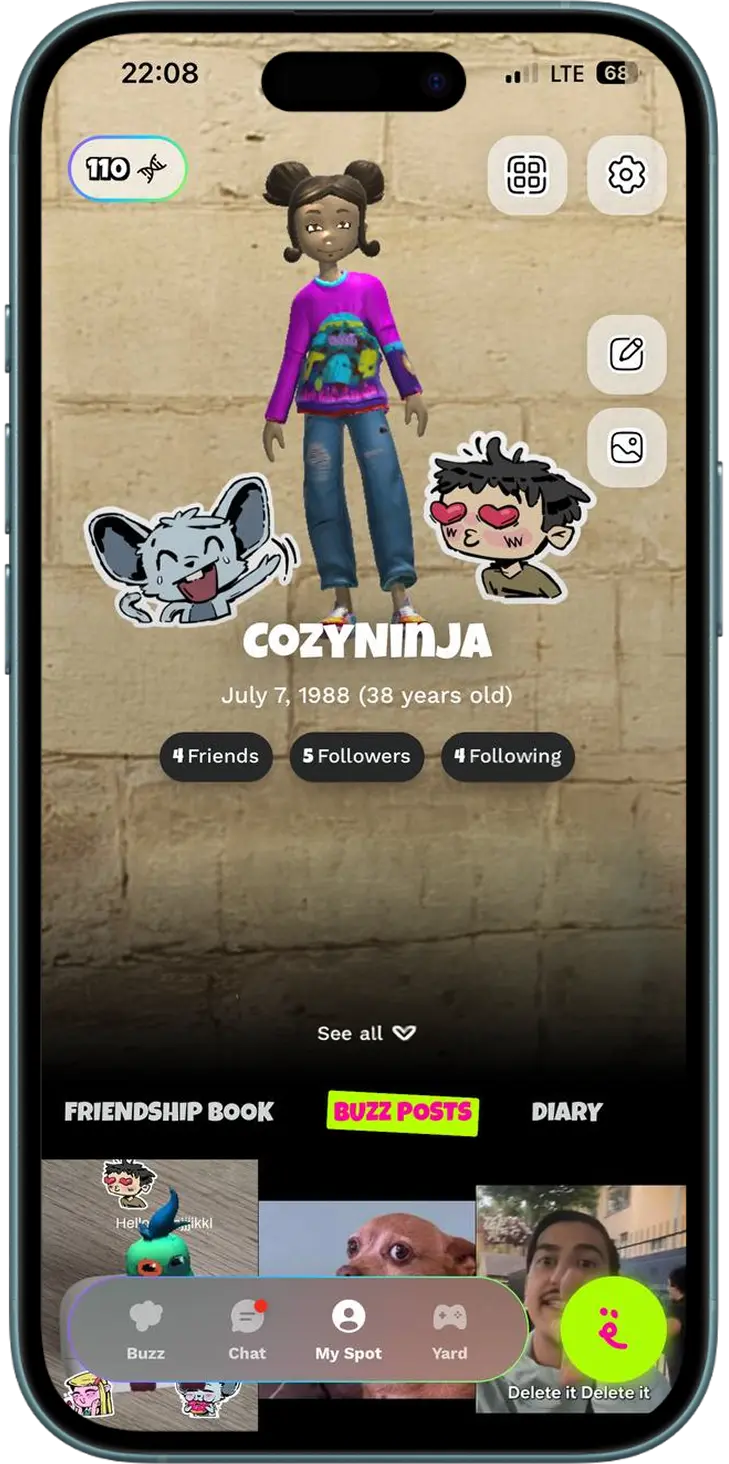
MySpot gives kids and teens a place of their own inside snërqq. Here they keep memories of their friendships, build their friendship book and collect private thoughts in their diary.
MySpot is their personal place inside the shared world — for identity, memories and the things that matter to them.
Buzz
What’s happening among friends
snërqq deliberately avoids a classic algorithmic feed.
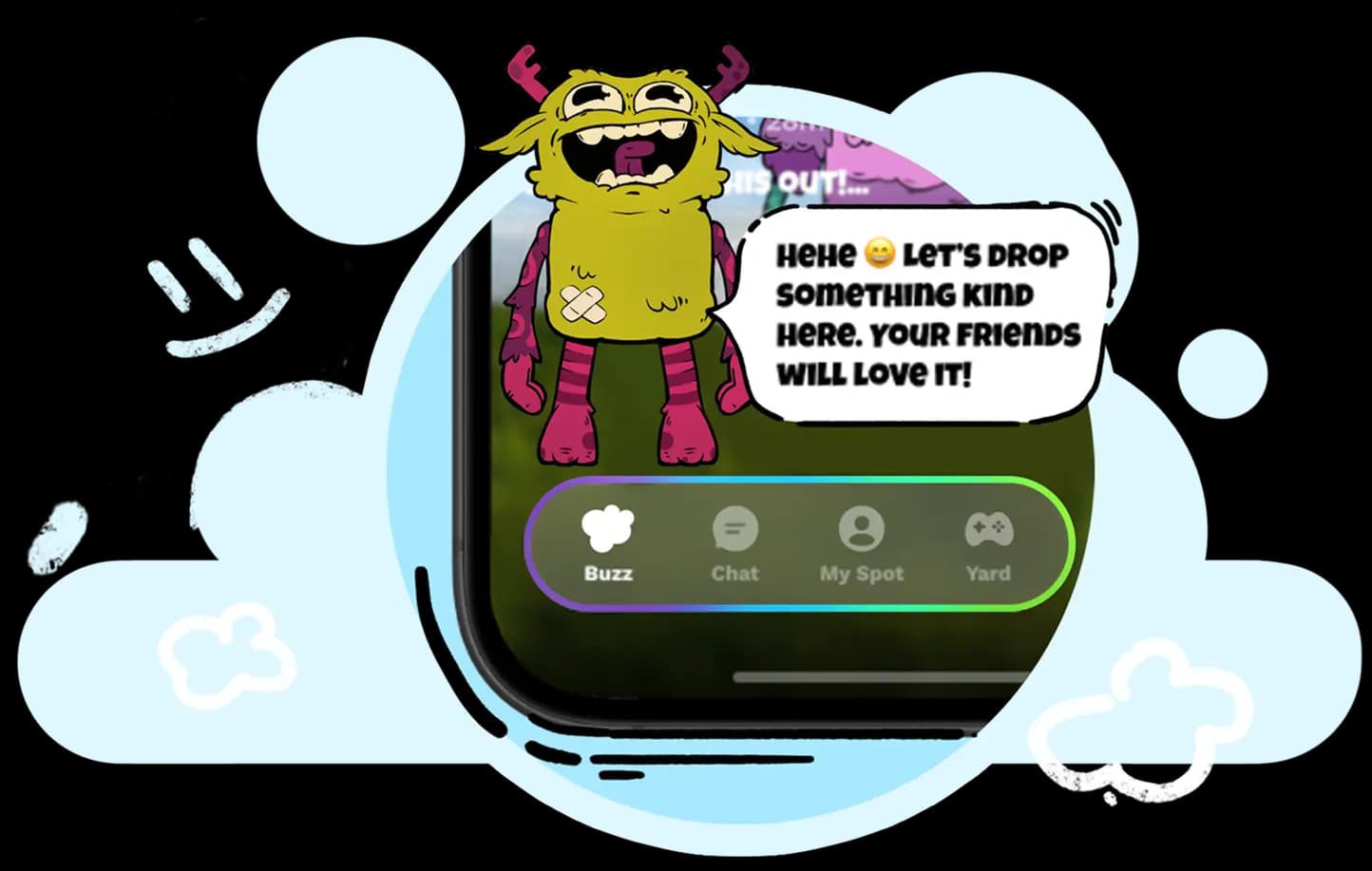
Buzz brings together posts from the user’s own friend circles and Yard Clips.
The content comes from people they know and from the snërqq world. Buzz stays close to their own social environment — without a public recommendation feed or an endless feed.
Only posts from friend circles and Yard Clips.
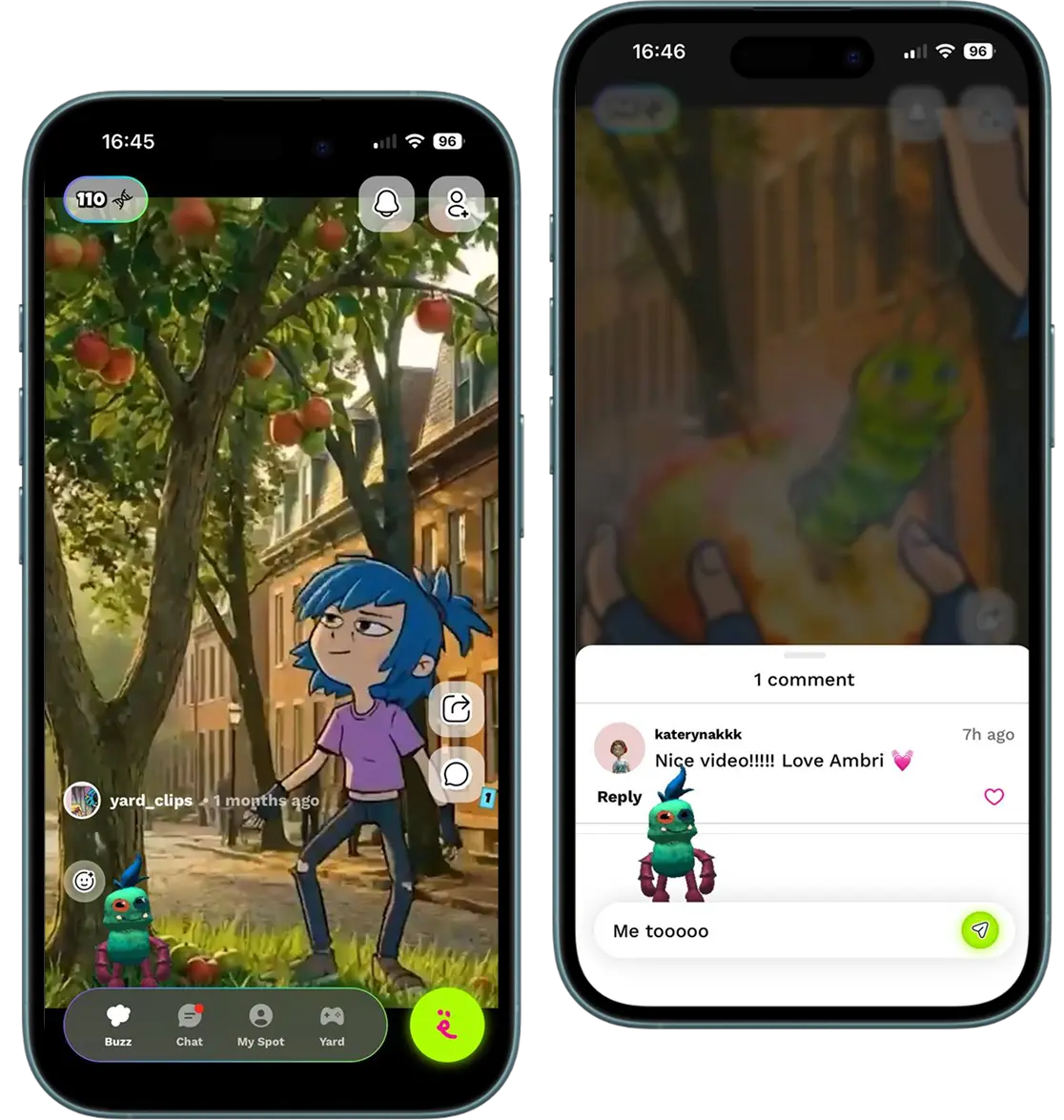
Only content from the child’s friends and Snerqq Yard Clips.
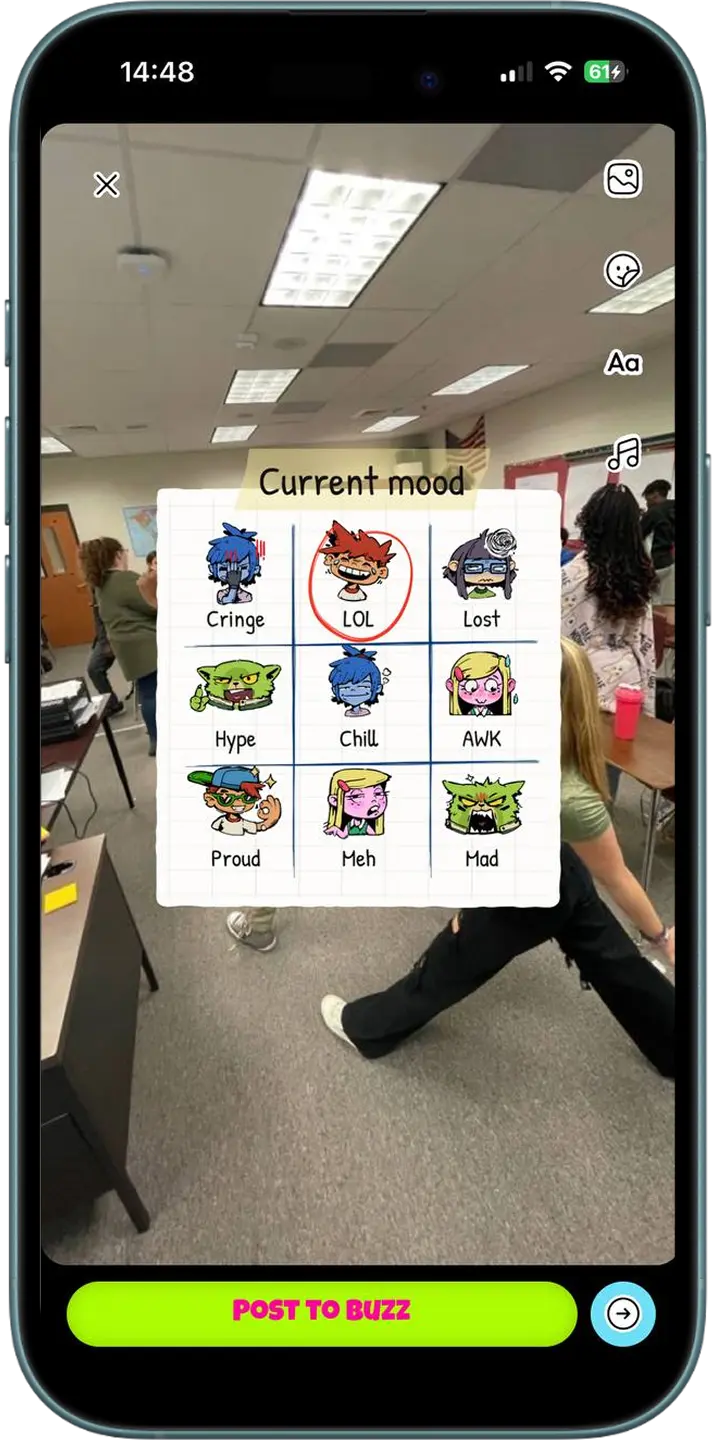
Sneq Editor: Creative toolbox for creative expression.
Sneq Editor
Creative expression within the friend group
With the Sneq Editor, kids and teens create their own scenes, reactions and short stories.
A thought, joke or reaction can become more than a text message: friends can turn it into something they create and share with each other.
Sneqs turn communication into Social Play — playful interaction with friends..
Social Game
Shared activity becomes shared progression
The Social Game connects creativity, communication and play through the Dings. Creative contributions generate Jitter that the group can use to customise its Dings.
Playing in the Yard generates XP and unlocks new evolution stages. Activity makes the Dings feel lively, while the Dingsometer playfully makes aspects of group interaction visible through the Dings. Progress therefore becomes something the friend group shares.
Instead of public likes, follower counts and rankings, something shared takes centre stage: what friends do together shapes something they own together.
Loading...
The Social Game
Four Elements
Input: Ongoing activity and responsiveness
System Effect: Makes the Dings feel more lively and present
Group Effect: The group’s activity becomes visible through its shared Dings
Input: Patterns of group interaction
System Effect: The Dingsometer influences the state of the Dings
Group Effect: Makes aspects of group dynamics visible through play
Interaction makes the Dings feel alive
XP unlocks new evolution stages
Jitter is used to customise the Dings
Group interaction shapes the Dings' mood
Input: Play in the Yard
System Effect: Generates XP for Dings evolution
Group Effect: Turns play into shared progression
Input: Creative contribution
System Effect: Generates Jitter for customisation
Group Effect: Gives the group something it creates together